Dislocated Shoulder? Here's How Physical Therapy Can Speed Up Your Recovery
A dislocated shoulder is more than just a painful injury—it can also disrupt your daily life, making even simple tasks like lifting your arm or getting dressed difficult. Whether your shoulder popped out during a sports activity or a sudden fall, the path to full recovery often includes physical therapy for dislocated shoulder. This blog explains how physical therapy helps in healing, regaining strength, and preventing future dislocations.
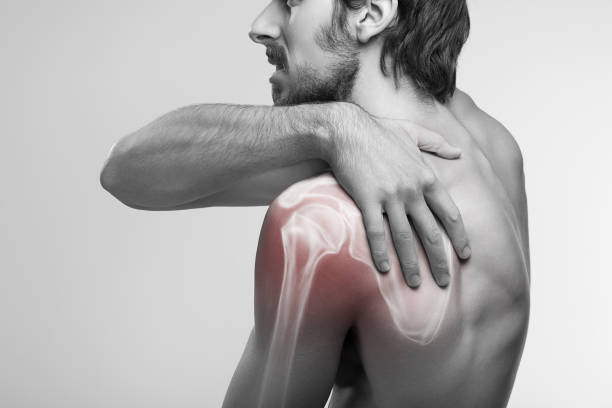
Understanding a Dislocated Shoulder
The shoulder joint is the most mobile joint in the human body. It’s designed for a wide range of motion, but this flexibility also makes it more prone to dislocation. A shoulder dislocation happens when the upper arm bone (humerus) pops out of the shoulder socket (glenoid).
Dislocations can be:
Anterior (most common): The arm is forced forward.
Posterior: The arm is forced backward.
Inferior: The arm is forced downward.
Symptoms include intense pain, swelling, visible deformity, inability to move the joint, and sometimes numbness or weakness. After the shoulder is relocated (put back into place by a medical professional), dislocated shoulder physical therapy becomes essential for full recovery.
Why Physical Therapy Is Crucial After a Dislocation
Once the shoulder is back in place, the real work begins. Physical therapy plays a key role in healing the damaged muscles, ligaments, and tendons that were stretched or torn during the dislocation. It also ensures that the joint becomes strong and stable enough to prevent future injuries.
Here’s how physical therapy helps:
1. Pain Management
Right after the injury, rest and ice are important. But as healing begins, therapists introduce gentle exercises to reduce stiffness and manage pain naturally. Modalities like ultrasound, heat therapy, or electrical stimulation may also be used in clinical settings.
2. Restoring Range of Motion
The shoulder can feel very tight after a dislocation. Therapists guide you through controlled stretching exercises to restore your ability to move the joint fully without pain. Regaining motion early helps prevent long-term stiffness or conditions like "frozen shoulder."
3. Strengthening the Shoulder Muscles
A key goal of physical therapy for dislocated shoulder is to strengthen the rotator cuff muscles and other supporting structures. Weak muscles can’t keep the joint stable, and without rehab, there’s a high risk of another dislocation. Strength exercises often start with resistance bands or light weights and progress as you heal.
4. Improving Joint Stability
Therapists use balance and coordination drills to retrain your body to react better to unexpected movements, reducing the chances of future dislocations. Proprioception (your body's sense of position and movement) often needs to be retrained after such an injury.
5. Gradual Return to Daily Activities
Physical therapy doesn't just focus on exercises—it also includes functional training. Whether you're trying to get back to work, play sports, or lift your kids, therapy helps you regain the confidence and ability to do these things safely.
What to Expect During Physical Therapy
Every treatment plan is customized based on your age, activity level, and severity of the injury. Most plans are divided into three stages:
Acute Phase (Week 1-3): Focuses on protecting the joint, managing pain, and starting gentle range-of-motion work.
Strengthening Phase (Week 4-6): Introduces resistance training to rebuild muscle and support the joint.
Return to Activity Phase (Week 6+): Prepares you for regular activities and sports with more advanced exercises.
Recovery timelines can vary. Some people feel better in 6 weeks, while others may need 3 to 6 months for full recovery. Sticking with your therapy plan and following your therapist’s advice are key to faster healing.
When to Seek Physical Therapy
You should begin dislocated shoulder physical therapy shortly after your doctor confirms the joint is safely relocated. Early intervention leads to better outcomes. Delaying therapy can result in long-term instability, recurring dislocations, or even permanent damage.
Also, if you’ve had multiple dislocations in the past, therapy becomes even more critical to prevent further damage or the need for surgical intervention.
Conclusion: Healing Starts With the Right Support

Physical therapy is one of the most effective ways to recover from a shoulder dislocation. It not only helps you heal properly but also makes your shoulder stronger, more stable, and better prepared to handle everyday stress. Whether your goal is to return to sports or simply regain normal function, physical therapy for dislocated shoulder offers a proven path to recovery. Stick with your rehab, stay patient, and your shoulder will thank you for it.

Comments
Post a Comment